
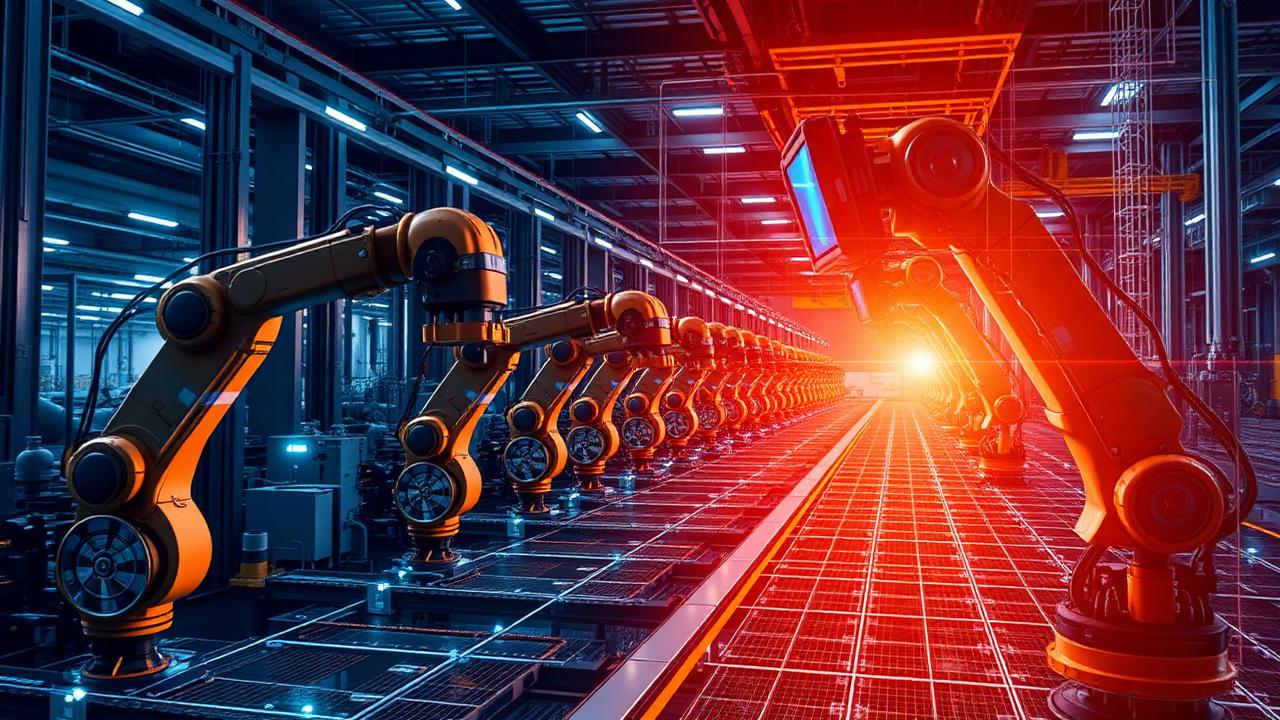
According to Deloitte, their "2023 Deloitte and Manufacturing Leadership Council (MLC) Industrial Metaverse Study reveals that manufacturers have an opportunity to build on their smart factory momentum to springboard into the industrial metaverse."
Implementation of trending metaverse and Smart Factory and City technology has required a change in basic assumptions in how we view product and workplace experience. This shift, that places people at the center of the action rather than just connecting them to platforms and software, is derived from combinations of innovative technologies that positively impact the ability to gain insights, train, explore and create new workspaces utilizing complex 3D environments that mirror the workplace, product deployment, practice environment or service environment.
E3S believes that an equally robust Cybersecurity change in thinking is required to ensure digital safety and maintain resilient cyber-postures. Its most appealing feature, the transformation of interaction from the physical to a virtual world along with the use of Extended Reality (XR) software, equipment, and headsets for immersive experiences, have to be monitored because both open doors to more advanced threats.
Key Cybersecurity Challenges
1. Data Privacy and User Identification
- Challenge: Biometric authentication methods, while highly secure, are vulnerable to exploitation if compromised. Misuse of this data poses significant risks, especially in industrial settings where secure access to machinery and systems is critical.
- Impact: Long-term identity theft and unauthorized access to sensitive industrial data are consequences of breaches involving biometric data.
2. Decentralized Infrastructure Vulnerabilities
- Challenge: Metaverse relies on blockchain technologies and NFTs for asset management and transactions. This decentralized nature opens new doors for cyberattacks.
- Impact: Any breach in the decentralized infrastructure can lead to financial losses, operational delays, and reputational damage.
3. Supply Chain Vulnerabilities
- Challenge: Implementation of digital twins and interconnected systems in metaverse-enabled smart factories extends the attack surface.
- Impact: Supply chain cyberattacks targeting digital twins, production lines, and warehouse management systems can cause massive disruptions.
4. Identity and Access Management (IAM) Issues
- Challenge: Weak identity management can lead to unauthorized access to critical systems. Managing multiple digital identities introduces IAM complexities.
- Impact: If IAM protocols are not secure, the potential for data breaches and espionage increases.
5. Distributed Denial-of-Service (DDoS) Attacks
- Challenge: DDoS attacks aimed at disrupting immersive 3D environments and real-time data exchanges are likely to increase.
- Impact: Attacks could cause downtime, delay production schedules, and lead to lost revenue.
Conclusion: The Role of Cybersecurity in Metaverse Solutions
As industries move towards more immersive, decentralized, and interconnected digital environments, safeguarding these infrastructures from cyber threats is critical. Manufacturers must prioritize cybersecurity by adopting robust identity management systems, securing decentralized infrastructures, and implementing proactive defense mechanisms against cyber threats.
Cybersecurity should not be an afterthought—it needs to be a foundational plank between the technology wish lists and actual adoption and implementation.